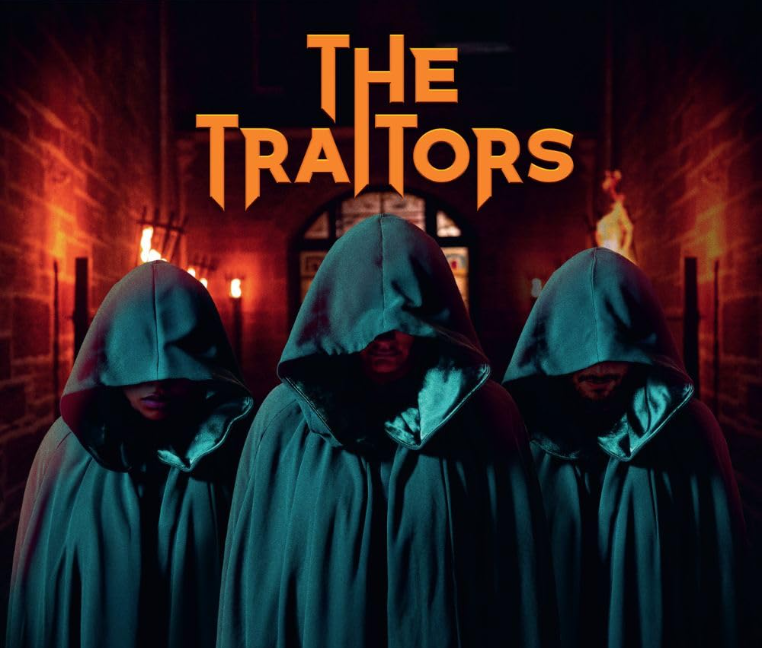
The dramatic finale of Celebrity Traitors UK delivered a landmark night for the BBC and for British television as a whole. The episode drew an extraordinary 11.1 million viewers, peaking at over 12 million, making it the most watched instalment in Traitors history and the most viewed TV broadcast of 2025 so far.
Accordingto BARB data from overnights.tv, the most-watched episode of the civilian version of the show reached 7.4 million, meaning the celebrity edition outperformed it by roughly 50%. The BBC also confirmed that The Celebrity Traitors has become the biggest unscripted title on Broadcaster VoD ever, and the most successful unscripted show on linear TV in the UK for four years — an impressive achievement in today’s fragmented media environment.
A Bold Move That Paid Off
When the BBC first announced a celebrity edition of its hugely popular reality format, there was healthy scepticism among fans. Would well-known personalities bring the same emotional depth and strategic intensity as the civilian contestants? Within minutes of episode one airing, doubts vanished. Viewers were hooked — and by the finale, an astonishing two-thirds of everyone watching TV at 9 pm GMT were tuned to the BBC.
Even the premature leak of the finale in Canada and New Zealand couldn’t dent domestic enthusiasm. The episode’s tense conclusion — with Nick Mohammed, David Olusoga and Alan Carr facing off against “traitor hunter” Joe Marler — delivered genuine drama. Carr’s ultimate win and emotional reaction underscored how deeply invested the celebrity players had become, with £87,000 raised for charity.
The Return of the National Conversation
Beyond its numbers, Celebrity Traitors reignited something rare in the streaming age: a genuine shared cultural moment. From Joe Marler’s “big dog theory” to roundtable showdowns ripe for meme culture, the show dominated social feeds and office chatter alike. For planners and buyers, that’s a valuable reminder that linear TV — when paired with strong digital catch-up — still drives mass, real-time engagement.
As viewing habits shift, The Traitors offers a case study in how traditional broadcasters can create appointment television that thrives both live and on VoD. With BBC iPlayer viewing likely to boost its audience further, the franchise continues to demonstrate the power of integrated distribution and compelling storytelling.
Lessons for the Wider Media Landscape
While the BBC’s licence-fee model means no commercial advertising, there are broader takeaways for advertisers. The scale of Celebrity Traitors highlights how premium, emotionally resonant content cuts through in a cluttered ecosystem. It also shows the opportunity for brands to align with similar “event television” on commercial networks — moments that unite audiences, drive conversation, and command attention in ways few digital campaigns can replicate.
With a teaser for the next civilian season already airing, The Traitors remains a rare example of a format that keeps evolving, expanding, and engaging — proving that in the age of endless choice, great storytelling still wins the night.